Is Staying in a Bad Marriage Slowly Killing You?


Staying in a bad marriage can be hell for a lot of reasons.
You’re not happy. You feel like you always have to walk on eggshells. Your life is not where you want it to be, and you can’t help but wonder, “Is this all there is?!”
You feel like you’re living a lie.
On some level, you’re probably embarrassed that you let things go for so long. At the same time, the thought of getting a divorce ties your stomach in knots.
You don’t want to live like you’re living. But, you’re not sure you’re ready to turn your whole life upside down.
You’re afraid of hurting your kids. You’re worried about your finances and you don’t want to pay thousands of dollars (or tens of thousands of dollars!) to divorce lawyers.
Most of all, you don’t want to make a mistake.
So, you do nothing. You wait for “a better time.”
The truth is: You’re stuck.
While it doesn’t take a rocket scientist to figure out that living in limbo can suck the life out of you, most people don’t realize just how true that statement can be.
Science has shown that staying in a bad marriage can (quite literally) kill you.

The Science of Relationships
Everyone knows that staying in an unhappy marriage is stressful. But you might be surprised by how much being in a bad marriage affects your health and well-being.
Researchers have found that people in unhappy marriages are at higher risk for depression, high blood pressure and heart disease. They also don’t heal as well after an injury or illness.
What’s more, if you are unhappily married, it’s not just your physical health that suffers. Unhappily married people also suffer from lower self-esteem and higher psychological distress than their happily married counterparts.
For those whose marriages are not simply unhappy, but rise to the level of being considered “toxic,” the negative physical and mental effects of their bad marriage are even more pronounced.
A Michigan State University study showed that there is a 34% increase in the rate of heart problems for those involved in toxic relationships. Another study showed that those who live in constant conflict are likely to die 11 years sooner than those who experience less conflict.
In short, staying in an unhappy marriage can be as unhealthy as smoking or drinking.
And it’s not just your physical health that takes a hit. As Gottman Institute certified couples’ therapist Carrie Cole states, “Staying in a seriously unhappy marriage can have long-term effects on our mental and emotional health.”
Here are 10 ways that staying in a bad marriage can negatively affect your health.
10 Negative Health Effects of Being in a
Bad Marriage
Key Takeaways
Here's what staying in a bad marriage can do to you (according to science).
1. Increased Risk of Depression, Anxiety, and Anger.
2. Increased Risk of Heart Disease.
3. Increased Risk of High Blood Pressure.
4. Disturbed Sleeping Patterns.
5. Increased Risk of Diabetes.
9. Decreased Immune System Functioning.
10. Increased Participation in Bad Health Habits.
1. Increased Risk of Depression, Anxiety and Anger
It’s not surprising that being stuck in a bad marriage can hurt your mental health.
When you feel like you’re stuck in any situation you don’t want to be in, and you can’t see a way out, you get depressed. You feel hopeless. Nothing makes sense anymore.
When your spouse constantly belittles you, your self-esteem takes a huge hit. You start feeling like a loser, like you can’t do anything right. You start to believe that every bad thing that’s happening is your fault.
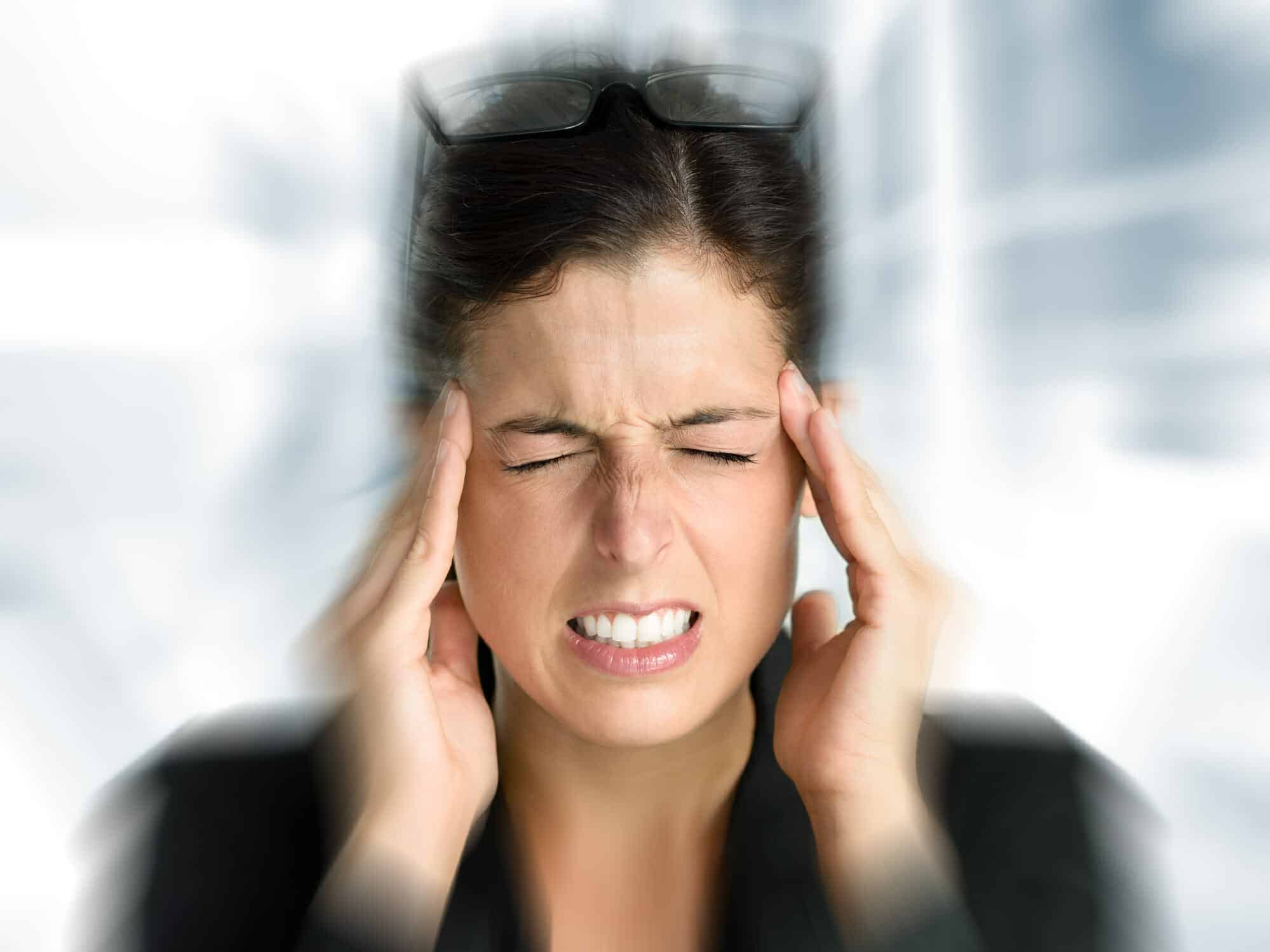
Having to walk on eggshells all the time contributes to anxiety. You feel unsure of yourself. You don’t feel safe – even in your own home.
In short, being in a bad marriage can wreak havoc in your emotional and psychological life.
2. Increased Risk of Heart Disease
Staying in a bad marriage can literally break your heart.
Researchers have found that the impact of stress (including marital stress) on the body equals the negative effects of other risk factors, like physical inactivity and smoking. It also increases high blood pressure, cholesterol and obesity (see below). All of those conditions increase your risk of heart disease.
Women and older couples, in particular, seem to be more susceptible to increased rates of heart disease caused by marital stress. A report in the Journal of Health Psychology found that women in unsatisfying marriages seemed to be targets for heart disease.
3. Increased Risk of High Blood Pressure
It’s common knowledge that stress can raise your blood pressure.
When you’re stressed, your body releases hormones that make your heart beat faster and cause your blood vessels to narrow. Both of those actions increase your blood pressure.
Since arguing with your spouse is stressful, and stress raises your blood pressure, it’s not surprising that when you and your spouse are locked in battle, it can feel like your head is going to explode!
As if that’s not bad enough, when arguing becomes a way of life, rather than an occasional occurrence, your body is forced to live in a constant state of tension and stress. The result is not only that your blood pressure stays elevated all the time.
Elevated blood pressure equals an increased risk of heart disease. It also causes kidney problems, eye problems, aneurysms, metabolic syndrome, and a whole host of other physical problems you’d rather not have.
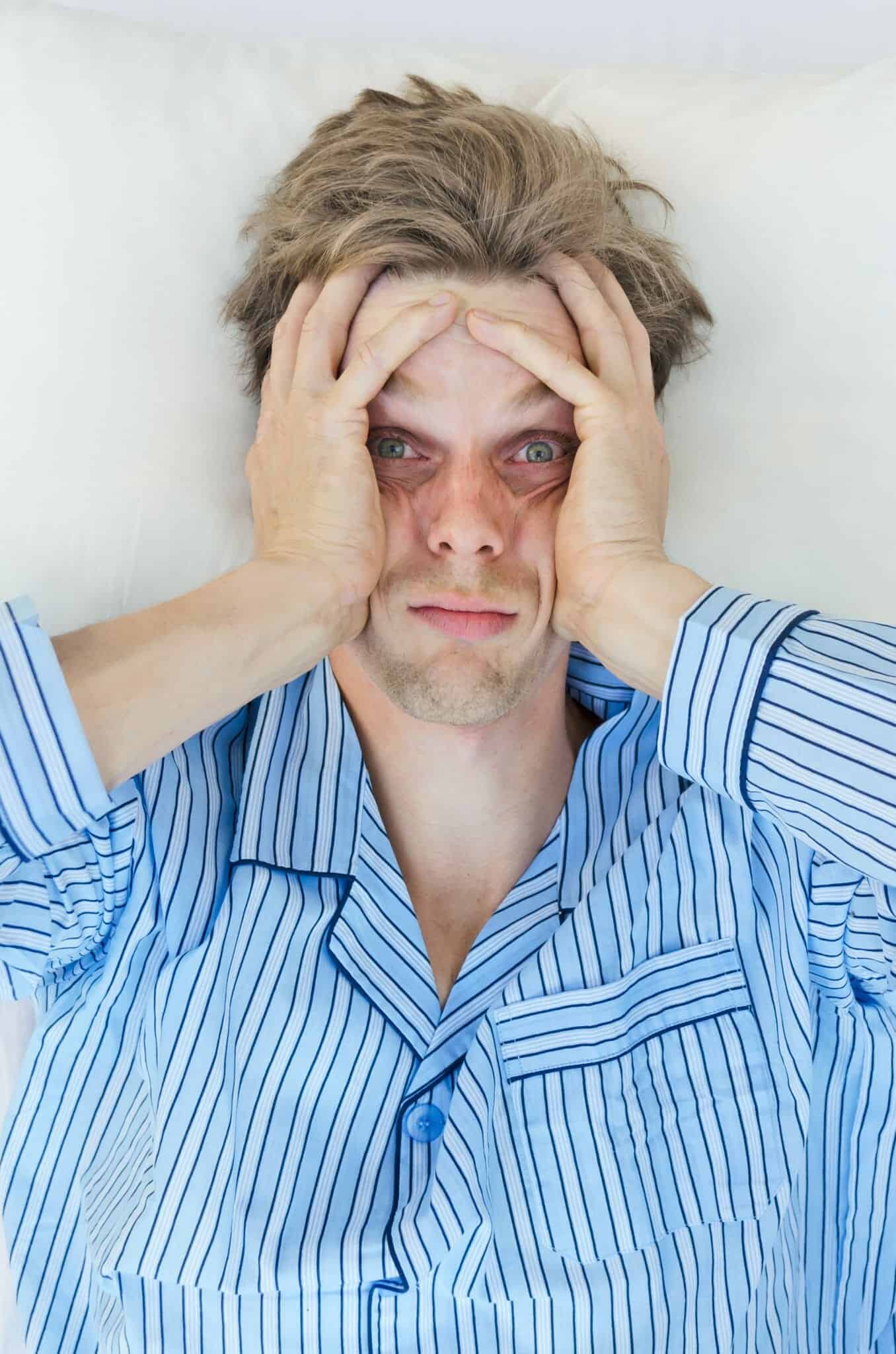
4. Disturbed Sleeping Patterns
Arguing with your spouse (or just being downright miserable!) can also disrupt your sleep. It’s hard to fall asleep when you’re angry, upset, or just spinning in your head.
To get a good night’s sleep, you need to be able to relax. Yet, often when you’re in a bad marriage, relaxing (and sleeping) become difficult.
So you wake up in the morning already exhausted. Slogging through your day in that condition puts even more stress on your body, which, in turn, can contribute to obesity, high blood pressure, diabetes, etc.
According to the National Library of Medicine, the consequences of sleep deprivation include increased stress responsivity, somatic pain, reduced quality of life, emotional distress and mood disorders, and cognitive, memory, and performance deficits.
It’s a vicious, negative circle.
5. Increased Risk of Diabetes
While stress alone doesn’t cause diabetes, stress does raise blood sugar levels. Chronic stress not only increases blood sugar levels, but it raises the level of the stress hormones in your system.
Researchers have hypothesized that high levels of stress hormones might also stop insulin-producing cells in the pancreas from working properly, thereby reducing the amount of insulin they make.
All of this causes the body, over time, to become insulin-resistant. That insulin resistance, in turn, leads you to develop Type II diabetes.
Type II diabetes can lead to heart disease, stroke, nerve damage, foot problems, vision loss, kidney problems, sexual dysfunction and more.
6. Higher Cholesterol
The increase in blood sugar that stress causes has another negative effect, besides increasing your insulin-resistance. Increased blood sugar causes your body to produce more triglycerides. Higher triglycerides cause higher cholesterol.
And it’s not just any cholesterol that’s affected by stress.
Studies have shown that increased stress causes an increase in the “bad” cholesterol in your body.
High cholesterol, in turn, can cause you to develop fatty deposits in your blood vessels. As those fatty deposit grow they make it difficult for blood to flow. What’s more, if those fatty deposits break off in your arteries or veins, they can flow to your heart or brain, increasing your risk of suffering a heart attack or stroke.
7. Increased Rate of Obesity
Yes, a bad marriage can actually make you fat!
Stress affects your body fat in two ways. First, chronic stress can increase your cravings for comfort food, which tends to be food that’s high in fat and sugar. That kind of food, in turn, tends to make you fat.
Secondly, stress affects the places your body stores fat.
Stress, and the high cortisol levels that go with it, causes the body to redistribute white adipose tissue (i.e. fat) to your belly Excess belly fat can be dangerous because it surrounds your internal organs. That puts you at an increased risk of developing heart disease, diabetes and liver problems, among other conditions.
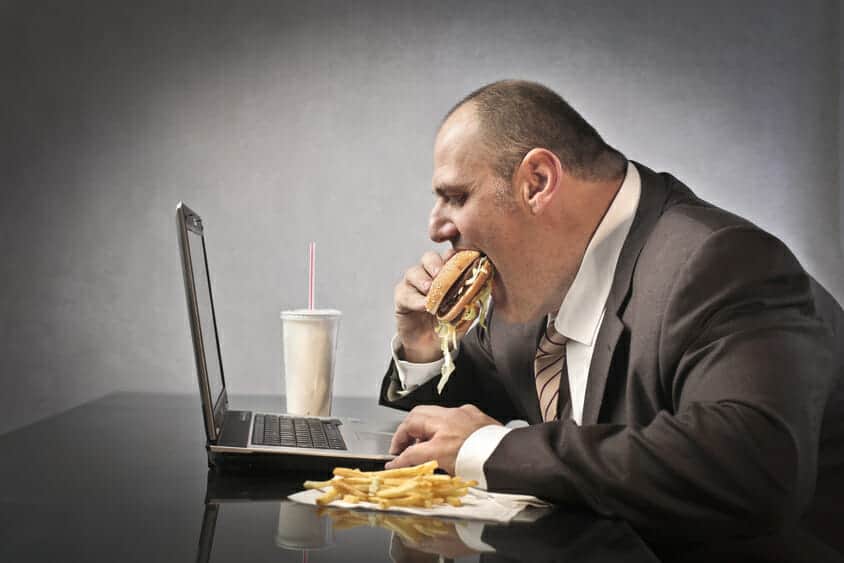
Finally, studies have shown that chronic stress affects the way that your body metabolizes high fat foods.
When you add to that the fact that you tend to eat more when you are upset or depressed, it’s not hard to see how those who are unhappily married can easily pack on a lot of extra pounds.
8. Slower Rate of Healing
Psychological stress can negatively affect the way the body heals. Elevated levels of stress hormones (like cortisol) affects the body’s ability to produce cytokines, which are important in the early stages of healing.
Stress also lowers immune system functioning. (See below.) Lowered immune system functioning means the body is less able to fight off toxins and manage inflammation. That in turn lowers the body’s ability to heal.
In fact, studies have shown that couples who are stressed and upset don’t heal as quickly as others.
If you have recently had surgery, or suffered an injury, your healing process will likely take longer if you’re in an unhealthy marriage than it would if you were in a loving one.
9. Decreased Immune System Functioning
Not only does increased stress affect your body’s ability to heal, but it also affects the frequency with which you get sick. That’s because stress reduces the number of natural killers (or lymphocytes) in your body.
While short-term stress can actually protect the body, long term stress can tear it down. Long term stress (… like the kind of stress you suffer when you’re in a bad marriage for months or years!) induces long-term chronic inflammation. That, in turn, can increase your likelihood of getting everything from the common cold to cancer.
The bottom line is that, when you’re in a bad marriage, your body is more vulnerable to illness and infections. It also takes longer to heal from any illness or injury you get.
10. Increased Participation in Bad Health Habits
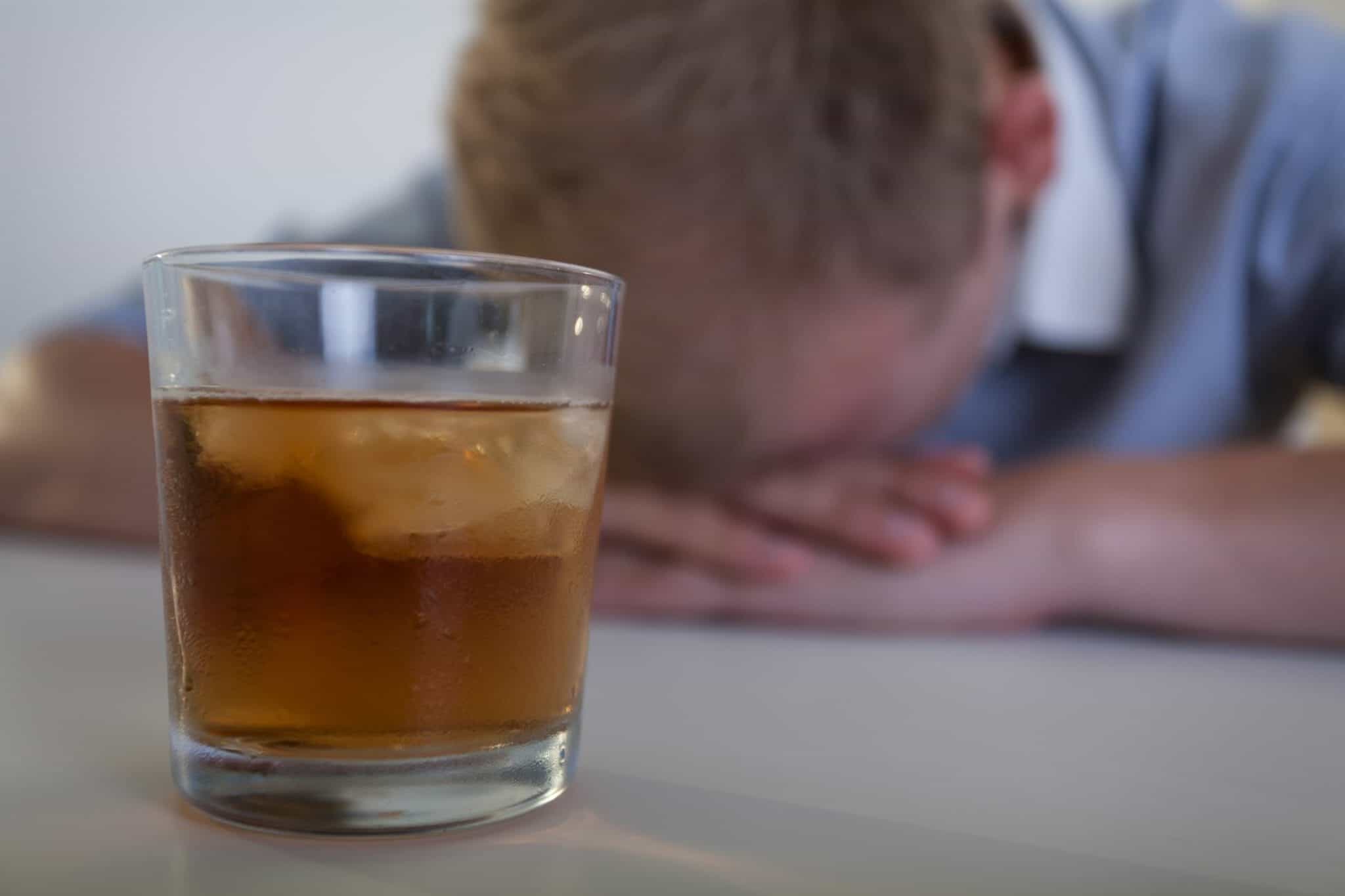
Stress does not tend to increase your participation in healthy living habits.
When you’re stressed out from your marriage, the temptation to soothe yourself with food, booze, drugs, or other things that aren’t good for you, can be overwhelming. You want to feel better, so you try to numb your pain.
According to a national survey, when they’re stressed, Americans tend to make poor diet choices, eat more comfort food, drink more alcohol, exercise less, and smoke.
While all of those behaviors may help you cope with your life in the short term, they all have serious negative health implications in the long term.
What’s more if you indulge in these kinds of unhealthy behaviors too much, you end up with both a bad marriage and an unhealthy addiction to boot.
Deciding Whether to Divorce
Deciding whether you should stay in a bad marriage, or get a divorce isn’t easy. A lot of different factors go into making that decision. Yet, unless you’re chronically ill already, “your health” is often a factor that gets overlooked.
Yet preserving your health is as important as protecting your kids and securing your finances.
Once you’re sick, you realize the value of good health. And, just as it’s hard to pull yourself out of a financial hole after your divorce, it can be equally hard to regain your health once you’re chronically ill.
Because of that, it makes sense to consider your own health – physical, mental, emotional and spiritual – when you’re thinking about divorce. While it may sound cliché, science has proven over and over again that being unhappily married can (literally) make you sick.
Of course, improving your marriage can probably turn your health around as much as getting a divorce would.
But doing nothing – enduring life in a bad marriage simply because you aren’t sure you should get a divorce – can be deadly.
About Karen Covy
Divorce Coach, Decision Coach & Lawyer
Karen Covy is a divorce coach, decision coach, and lawyer who has been helping people navigate through divorce for over 30 years. She is the author of "When Happily Ever After Ends" and the host of the Off the Fence podcast.
Learn more about KarenReady to Take the Next Step?
Get personalized guidance to navigate your divorce with clarity and confidence. Schedule a free consultation with Karen today.